January 1, 2026 — Following the Lapu-Lapu Day tragedy in Vancouver, much of the public’s focus has rightfully been on the young lives lost and the grieving families. Yet quietly, in homes, prayer groups, and community halls, another group continues to process their grief: our seniors.
As Canada’s population ages and post-pandemic isolation persists, community connection and mental wellness are becoming even more vital for elderly members of cultural communities.
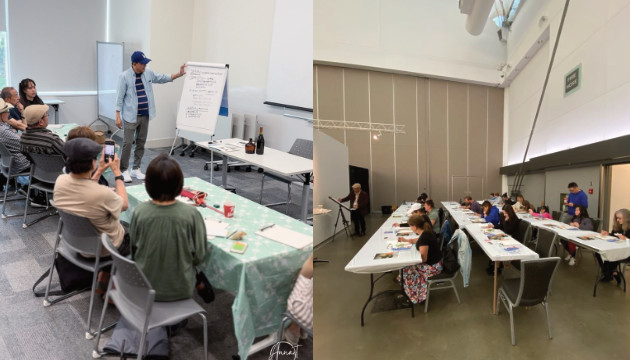
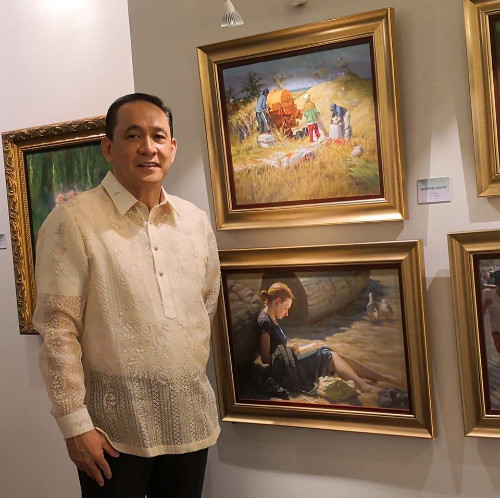 Edgardo Lantin is one of the senior instructors of the New Horizons for Seniors Program of the Dimasalang III International Artist Group.
Often seen as the emotional anchors of their families, elders are not immune to the effects of trauma. Many are especially vulnerable. They carry not only the weight of recent tragedy, but also the unspoken grief from years past. For some, the Lapu-Lapu tragic incident didn’t just cause new wounds; it reopened old ones. Memories of war, migration, political unrest, or personal losses long buried may have resurfaced.
“There were honest-to-goodness reactions of disbelief, anger, concern, and deep grief felt vicariously for those who died and their families,” said Mar Alparaque, Vice President of the Filipino Seniors Club of BC. “Seniors were asking each other if they were safe or if they knew anyone who had been in the path of the runaway driver.”
Many elders responded in the only way they knew how: by showing up. Alparaque observed that Filipino seniors expressed their care by attending prayer vigils, participating in community gatherings, and writing to elected officials to voice their support and call for accountability. It was an act of solidarity, rooted in shared values of compassion and community responsibility.
Grief among Filipino seniors doesn’t always manifest in obvious or spoken ways. Cultural expectations, religious practices, and a lifetime of enduring hardship often shape how pain is shown. Some respond with silence. Others, with steady prayer.
“We gathered immediately to pray the Rosary for the victims,” shared Lita Urquhart, leader of the Legion of Mary praesidium at St. Bernadette Parish in Surrey. “Many of us were crying. Most of the Legionaries are Filipino, and we felt the loss deeply. Coming together helped.”
Urquhart had initially signed up to volunteer at the festival but was called away at the last minute. Still, the emotional weight of the incident remained. “We serve Christ through prayer and outreach to the sick and marginalized,” she said. “When something like this happens, we turn to each other and our faith.”
Beyond the emotional toll, the tragedy intensified a growing concern among Canadian seniors: social isolation. For elderly Filipino Canadians, loneliness can be worsened by language barriers, cultural displacement, and generational divides within families. When collective grief is added, these vulnerabilities can deepen.
Experts point out that trauma may not always be evident in older adults. Anxiety can show as disrupted sleep, loss of appetite, irritability, or physical issues. Grief might present as forgetfulness or extreme fatigue. Seniors might lack the words to describe trauma, but they carry its burden in their routines, expressions, and sometimes, in their silence.
This is why community-based, culturally grounded support is so essential. Seniors need more than a polite check-in. They need spaces where they can feel heard, seen, and safe. It is where healing can happen.
One example is the Dimasalang III International Artist Group’s recent meaningful initiative, supported by the New Horizons for Seniors Program grant. The timing could not have been better. Launched earlier this year, senior artists within the group, some well-known in the Filipino Canadian arts community, began mentoring fellow seniors through free art workshops. The initiative recognizes that healing is not always verbal but can also be found in brush strokes, colour, and shared creativity.
“These workshops help seniors stay active and engaged with the community,” said Edgardo Lantin, a Dimasalang signature member and one of the program’s senior instructors. “Art offers therapeutic value, encouraging self-expression while supporting mental, physical, and spiritual health.”
The program’s recent partnership with the 411 Seniors Centre proved so popular that all art classes for the year were quickly filled. It’s a sign of how many seniors are seeking connection and enrichment.
Art, prayer, music, and conversation are just a few ways many elders cope with pain and foster healing. Their methods may differ from those of younger generations, but their commitment to care remains constant.
Spiritual leaders also played an essential role in the days and weeks after the tragedy. Father Francis Galvan was among the first to offer spiritual support, visiting the scene to light candles for the victims and comfort those who were there. His presence served as a reminder that grief can be met with grace.
With access to culturally sensitive counselling, ongoing peer support and community-led programs, Filipino seniors can begin to navigate grief in their own way.
When caring for our elders, we must be mindful not to overlook their silent resilience. Their pain may not always be visible, but it is there. Supporting them means listening and being there for them, just as they have consistently been there for the community.
Our seniors may not always speak loudly, but they are watching, praying, and contributing in meaningful ways. On the path to healing, they provide calm strength, thoughtful insight, and unwavering care. Whether it’s through art, storytelling, or just listening, each of us can brighten a senior’s life. Sometimes, all it takes is a cup of coffee and the willingness to stay a little longer.
 About the author
Sandie Oreta Gillis earned her degree in Broadcast Communication from the University of the Philippines in 1981. She co-hosted a radio morning talk show at Radio Veritas in Manila before immigrating to Canada in 1983.
Sandie is the author of three books. She co-wrote SYM: The Power of Struggle, a biography of renowned artist Sofronio Y. Mendoza (SYM), with noted art critic Alfredo Roces. In Weaving Our Dreams: The Tboli People of the Philippines, she chronicled the rich cultural traditions of the Tboli people of Mindanao. Most recently, she wrote The Horse Soldier: A Wartime Secret, a story inspired by her mother’s memories of World War II in the Philippines.
As a freelance writer, she actively supports and promotes Philippine arts and culture, often writing about the country's rich heritage, history, and traditions. Gillis serves as a volunteer Board Director for the Dimasalang III International Artist Group and is one of the founding members of the Narragila Culture and Arts Foundation.