April 1, 2026 — April 26, 2026 marks the Filipino community’s babang-luksa (literally translated as end of mourning) for the victims of the Lapu-Lapu Day tragedy. How does that fateful evening in 2025 expose the Filipino community’s vulnerabilities and strengths?
For Filipinos in Vancouver, British Columbia, Canada, the tragic event reveals deep currents of shared grief, resilience, and solidarity. Through concepts like kapwa (shared humanity), dama (feeling as collective knowledge), and bayanihan (mobilizing care beyond institutions), the Filipino community and its allies find ways to mourn together, act together, and imagine healing beyond the individual.
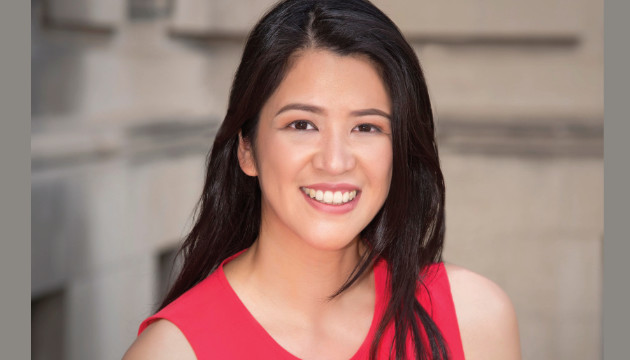
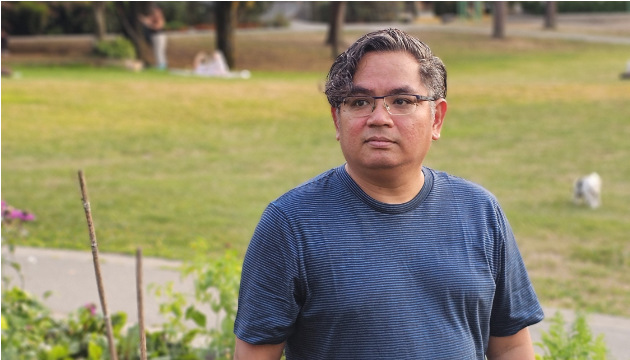
For Dr. John Paul(JP) Catungal – scholar, community organizer, and public intellectual – these are not abstract cultural concepts. They are living practices, activated in moments of joy and in moments of loss, and made visible through gatherings, art, and mutual aid across multiple ethnicities, Canada-wide, especially for families and friends of the victims.
Kapwa: Relational Healing Beyond Proximity
At the vigil held at the University of British Columbia (UBC) days after the tragedy, kapwa was palpable – not as a word people consciously invoked, but as a lived reality. “Kapwa is an understanding that the individual is not alone, but part of networks of social relations,” explains Catungal, an assistant professor at the UBC Social Justice Institute. “Public rituals of mourning, like vigils, bring people together to share in grief and to support one another while we are all hurting.”
What struck him was the physical presence – the yakap (embraces, tight hugs), the tears, the simple act of standing beside one another in the plaza. Filipinos of varying roles on campus – professors, students, office staff, janitors, food service workers – gathered alongside non-Filipino colleagues, friends, and allies. This, Catungal notes, is an important reminder: while the tragedy deeply affected Filipinos, it also touched Colombian, Brazilian, Vietnamese, Chinese, South Asian, and other communities.
“If we’re going to talk about kapwa,” he says, “we also need to extend that sense of relationality and collective mourning beyond Filipino communities.”
Dama: Emotion as Collective Knowledge
For the founding co-director of UBC’s Centre for Asian Canadian Research and Engagement, dama is not simply feeling; it is knowing together. In the aftermath, people do not need to explain their grief; they can sense it in each other. “We felt each other, and we felt for each other,” Catungal recalls. This sensing informs how people respond – offering skills, resources, or time without waiting for instructions.
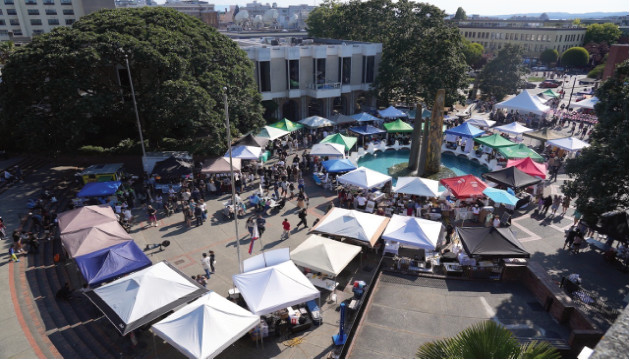
The tragedy’s location – a cultural festival space – deepens the hurt. “It was a spatial manifestation of our presence and place,” Catungal explains. For a community without a dedicated cultural centre, this visibility matters, making its violation even more painful.
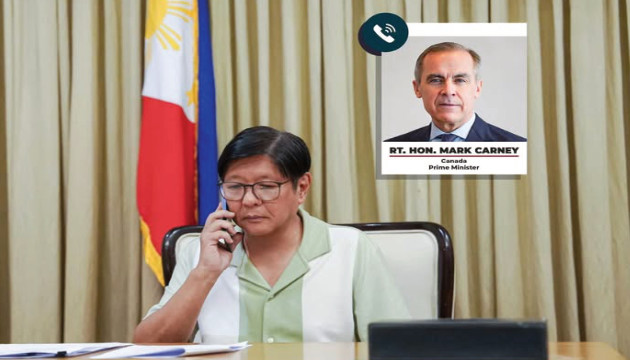
Dama also became political. B.C. Premier David Eby’s public acknowledgment – that Filipinos, known for caring for others, now needed care themselves – signaled recognition at a governmental level. While Catungal is cautious about how such recognition translates into action, he notes it as a significant moment of public empathy.
In queer, trans, and racialized spaces, dama widens to hold not only grief but also joy. Catungal recalls seeing LGBTQ+ ballroom and drag communities respond with dance gatherings that are important acts of care and may not be labeled as dama but embody its essence. “Other communities also sense each other. We may have Filipino names for these practices, but they exist across cultures.”
Bayanihan: Mobilizing Care Beyond Institutions
If kapwa brings people together and dama helps them sense what’s needed, bayanihan moves them into action. Within hours of the tragedy, informal networks like the Vancouver Filipino Emergency Response Coalition mobilized. These are not ad hoc efforts; they draw on years of trust, organizing experience, and knowledge of community needs.
“Bayanihan does not just happen because people have goodwill,” Catungal stresses. “It happens because there are already existing networks and knowledges.”
This response extends beyond ethnic boundaries. Recognizing that other communities are also grieving all the more strengthens solidarity. Yet,Catungal is frank about the structural context: Canadian multiculturalism can pit communities against each other for scarce resources, forcing marginalized groups to create their own support systems when institutions fall short.
His work with the C19 Response Coalition, for example, shows how multilingual, culturally embedded responses are essential – whether in pandemic preparedness or post-tragedy healing.“Mainstream responses often leave us behind. We know that as organizers, so we mobilize our knowledge to serve our communities.”
Healing Through Art and Story
For Catungal, poetry, storytelling, and performance are not just cultural expressions; they are community care. After the tragedy, he read “The Garden on Fraser and 41st,” a poem by community organizer, Sol Diana, at UBC. “Art has a way of naming things and capturing how we are feeling collectively,” he says.
He also cites spoken word artist Carlo Sayo’s powerful refrain: “We’ve laid too many flowers before”as a form of grassroots analysis, situating Lapu-Lapu Day within a history of racialized violence and structural neglect. Such works, Catungal insists, are as important as academic studies in understanding and addressing communal grief.
Expanding the Circle of Healing
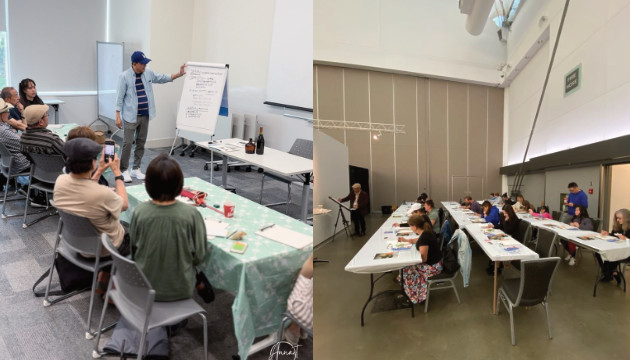
When asked what policymakers, educators, and grief organizers should remember, Catungal points to the phrase “healing in community.” It challenges the narrow, biomedical model of healing as an individual pursuit. “Healing takes place collectively. It requires recognition of our sociality, our histories, our cultures, and our contexts,” he says.
But he also cautions that invoking kapwa, dama, and bayanihan must come with a commitment to inclusion. “We need to be mindful of who we understand to be part of our collectivities and who we might be excluding. Listening to queer and trans voices, for example, can expand how we understand these concepts and how we practice them.”
The Filipino concepts of healing (dama, kapwa, and bayanihan) are not just cultural heritage. They are living, evolving practices. They connect grief to hope, sensing to action, and individual loss to collective repair. Whether through the embrace of kapwa, the deep knowing of dama, or the mobilized care of bayanihan, they remind us that healing, too, is something we do together.
About the Author
Maria Veronica “Vernie” G. Caparas, PhD is a Canadian Filipino learning facilitator, freelance journalist, and community-based researcher whose work bridges the fields of communication, migration, policy analysis, social sciences, and healing justice.