September 1, 2026 — Just a month ago, Canadian Filipino Net’s editorial, ‘The 25th Story,’ sparked the idea of a Wellness Wing for our future Filipino Community and Cultural Centre. Two weeks later, my Op-Ed ‘Why We Need a Wellness Wing… A One-of-a-Kind Hub’ laid out the heart of this vision—a call to transform tragedy into a new legacy of healing and belonging. The moment to act is now.
Why This Is Our Moment
The pain from the 2025 Lapu-Lapu Day Festival tragedy still lingers, making our community’s need for culturally safe, accessible care more pressing than ever. The Wellness Wing is not just another feature for our Centre; it is a dedicated space n for our recovery, active resilience, and renewal. It will shine as a national model for trauma-informed, community-powered health innovation.
To recap from my Op-Ed, here’s what the Wellness Wing will bring:
1. Offer discreet, stigma-free mental health and trauma support for youth, elders, and families, breaking the silence that has kept suffering in the shadows for too long;
2. Become a vibrant hub for education, mentorship, and research, partnering with top universities to train future health workers, uplift clinical practices, empower community members as peer supporters, and spark new discoveries in this field;
3. Open doors for newcomers through programs that smooth transitions, nurture a sense of belonging, and create pathways to opportunity; and
4. Guarantee universal physical accessibility and space to grow, ensuring that no one is left behind.
Together, these efforts will place Vancouver, British Columbia, and Canada at the forefront of trauma-informed care — a unique, attainable dream that showcases the strength and compassion of our vibrant Filipino diaspora across the city and nation.
Honouring Our Heritage, Defending Our Rights
Imagine seeing our cultural values—bayanihan (communal responsibility), kapwa (shared identity), and pakikipagkapwa (interpersonal value) — shining even brighter as pillars of health and well-being.
Building the Wellness Wing is more than a project; it is a civic duty rooted in the ideals of Canadian democracy. Canada’s Charter of Rights and Freedoms, through Section 27, obligates us all—government and people alike—to protect and support our multicultural heritage. But heritage is more than celebration; it is the assurance that all members of our community can access care which respects their history, culture, and dignity. By supporting the Wellness Wing, we are helping to fulfill both the spirit and the letter of Canada’s promise of multiculturalism.
Bringing Everyone to the Table
To bring this vision to life, we need:
- Community Partnership: We call on the leaders of the Filipino Canadian Community and Cultural Society of British Columbia (Filipino BC) and the Filipino Legacy Society of Canada (FLS), as leaders of their own Centre site proposals, to step forward as co-chairs and promptly schedule a joint working session in the coming weeks. We invite them to actively facilitate community input by leading open forums, organizing roundtable discussions, and coordinating with grassroots organizations to gather diverse perspectives. By encouraging their direct involvement in designing engagement activities and guiding collaboration, these leaders will help ensure the process is transparent, inclusive, and empowering. By listening to elders, youth, trauma survivors, and the broader Filipino community, we can shape a vision for the Wellness Wing that truly echoes every voice.
- Government Engagement: With a single, united proposal, we can reach out to our city, provincial, and federal partners—who have already shown their commitment to building the Centre and bring expertise in planning, funding, and service delivery—and invite them to help us make this transformative Wellness Wing addition a reality.
- Joint Planning and Transparent Progress: To keep momentum and accountability strong, we propose forming a joint working group within one month. The group will meet for an initial planning session shortly after formation, establish concrete goals, and agree on regular progress reviews every six weeks. Milestones for the first three months could include setting terms of reference, launching a community engagement plan, and providing an initial progress update to all stakeholders. It is crucial that the group ensure open feedback channels throughout the process, with neutral facilitators available to guide discussions if needed.
Let us set the standard and prove that when we unite for a common purpose, we rise above personal interests.
A National Emblem of Innovation
Rooted in the World Health Organization’s vision of health as complete physical, mental, and social well-being, the Wellness Wing will lift Vancouver and all of Canada, drawing in partnerships, research funding, and philanthropic support to secure its future for generations.
To ensure long-term sustainability, we will establish ongoing fundraising initiatives, build lasting partnerships with leading health and academic institutions, and invite community members to take an active role in planning, service delivery, and evaluation. Together, these strategies will help safeguard the Wellness Wing's growth, stability, and impact for years to come. It will become a place of remembrance, learning, and hope—a living testament to what we can achieve when a community comes together for the good of all.
The Way Forward
We have the vision, the momentum, and the backing of governments at every level. Let’s seize this opportunity together to bring the Wellness Wing to life. By acting now, we honour our heritage, nurture our well-being, and create a future where every member of our community can reach their fullest potential.
We invite all community and organization leaders to confirm their participation in the joint planning session and to champion the Wellness Wing vision by sharing it with their networks.
This is our moment. Let’s turn vision into reality.
[The author is a retired Professor of Pediatrics and Child Health, a lung specialist, and a former Parliamentary Secretary to the Prime Minister, Federal Minister and Regional Minister. He writes as a community volunteer and health advocate. Contact:
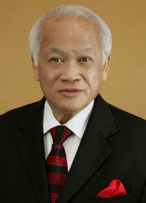
Editor's note: Dr. Rey D. Pagtakhan, P.C., O.M., LL.D., Sc.D., M.D. M.Sc. is a retired lung specialist, professor of child health, and former MP, Parliamentary Secretary to the Prime Minister, and cabinet minister. He graduated from the University of the Philippines, did postgraduate training and studies at the Children’s Hospitals of Washington University in St. Louis and the University of Manitoba in Winnipeg, and spent a sabbatical year as Visiting Professor at the University of Arizona Medical Center. He is the author of articles and chapters in medical journals and textbooks and columnist for community newsmagazines. Widely lectured in Canada and abroad, he spoke in June 2003 on “The Global Threat of New Infectious Diseases” at the G-8 Science Ministers/Advisors Carnegie Group Meeting in Berlin. He volunteers on the Advisory Council of Immigration Partnership Winnipeg and the Board of St. Paul’s College Foundation at the University of Manitoba.